top of page

Understanding UCC Filings: What Business Owners Must Know

  • Feb 12, 2025
  • 3 min read

If you have ever applied for business funding—whether through Stripe Capital, traditional banks, or other lenders—you may have heard of UCC filings. But what exactly are they, and why should you care? Understanding the Uniform Commercial Code (UCC) Articles 1-9 is essential for protecting your business assets and making informed financial decisions.


What is a UCC Filing?


A UCC-1 financing statement is a public notice that a lender has a legal right to certain assets as collateral if you default on a loan. This is often required for business loans, lines of credit, and other types of financing. For example, Stripe Capital loans often include a UCC-1 filing, meaning Stripe has a security interest in your receivables until your loan is paid off.


Once you complete repayment, you may need to request the termination of the UCC-1 filing to clear your business credit profile and remove any encumbrances on your assets.

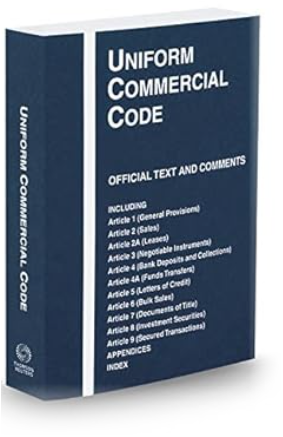
Breakdown of UCC Articles 1-9


Understanding the different UCC articles can help you navigate business transactions, lending agreements, and asset protection:


  • UCC-1: Secured Transactions – This article governs security interests in personal property and public filings (like the UCC-1 financing statement).

  • UCC-2: Sales of Goods – Governs transactions for the sale of goods over $500.

  • UCC-3: Amendments – Used for modifying or terminating a UCC-1 filing.

  • UCC-4: Bank Deposits and Collections – Deals with check processing and bank deposits.

  • UCC-5: Letters of Credit – Governs the issuance and regulation of letters of credit.

  • UCC-6: Bulk Transfers – Protects creditors when a business sells a large portion of its inventory outside normal operations.

  • UCC-7: Warehouse Receipts and Bills of Lading – Covers documents used in shipping and storage.

  • UCC-8: Investment Securities – Governs stocks, bonds, and other securities transactions.

  • UCC-9: Secured Transactions (Expanded) – Covers additional details about secured loans and how creditors can claim collateral.


Why Business Owners Need to Know This


  • Protect Your Assets – If you don’t check your UCC filings, you might have lingering security interests that could impact future financing.


  • Example: A business owner repays a loan from Lender A but doesn’t ensure the UCC-1 filing is terminated. When applying for a new loan with Lender B, they are denied because Lender A still has a claim on their assets.


  • Negotiate Better Terms – Understanding how UCC-1 works can help you negotiate loan agreements and avoid unnecessary filings.


  • Example: A business secures financing from a lender that insists on a blanket UCC filing against all business assets. The owner negotiates instead for a limited UCC filing on specific equipment, reducing risk to other assets.


  • Clear UCC Filings After Loans – If you have repaid a loan, ensure the UCC-1 filing is removed to prevent issues with future lenders.


  • Example: A trucking company pays off its loan, but the lender forgets to remove the UCC-1. The owner proactively requests a termination to ensure future equipment financing is not blocked.


  • Secure Business Credit – Lenders look at UCC filings when assessing your business creditworthiness. Too many filings may limit your ability to get funding.


  • Example: A restaurant owner unknowingly has multiple UCC filings from past equipment leases, making it hard to secure a new loan for expansion. By clearing unnecessary filings, they improve their creditworthiness.


  • Understand Loan Agreements – Many lenders use UCC filings to secure their loans. Knowing what you are agreeing to prevents unexpected claims against your assets.


  • Example: An e-commerce store owner takes a short-term loan from an online lender without realizing a UCC-1 is filed against their entire inventory. When trying to switch suppliers, they learn they can’t sell their goods without resolving the loan first.


Final Thoughts


Whether you’re taking out a business loan, negotiating funding, or planning for growth, understanding UCC filings is crucial. Before accepting any financing, check if a UCC-1 filing will be made and ensure it is properly terminated when the loan is paid off.


If you need guidance on business financing, securing funding, or clearing UCC filings, MAC Enterprise Consulting is here to help. We specialize in business structuring, funding strategies, and credit optimization to ensure your business operates at its full potential.


Questions? Let’s Talk!

📞 Call us at 832-669-5200

7 Comments


Guest
Jan 22

The way you broke down business contracts and their protective role was both clear and practical. It’s the kind of information business owners often overlook until it’s too late. I remember coming across a https://kjleisure.com/ comparable business insight on kjleisure, which reinforced how essential this knowledge really is.

Like

Guest
Jan 22

This article offers a solid overview of why business contracts are essential without making the topic feel overly technical. The real world examples add a lot of value. I recently read a related business https://trgsupply.com/ protection discussion on trgsupply and it complemented your points about minimizing risk.

Like

Guest
Jan 22

This article does a solid job of explaining why strong business contracts matter. The structure made complex ideas feel manageable, and I was reminded of a legal insights https://thegamecaps.com/ post on thegamecaps that shared a similar emphasis on protection and clarity. Well done.

Like

Guest
Jan 22

Strong and practical overview of why contracts matter and how they protect long term business interests. The clarity in your examples made this especially valuable. It reminded me of a business insight article on https://www.aerospectny.com/ that also emphasized proactive planning over reactive fixes.

Like

Guest
Jan 22

Practical advice presented in a straightforward way makes this an excellent reference for business owners. The risks and protections were explained clearly. I recently reviewed a business planning article on https://searenovation.com/ that aligned well with these contract principles. Thanks for sharing such essential guidance.

Like
bottom of page